
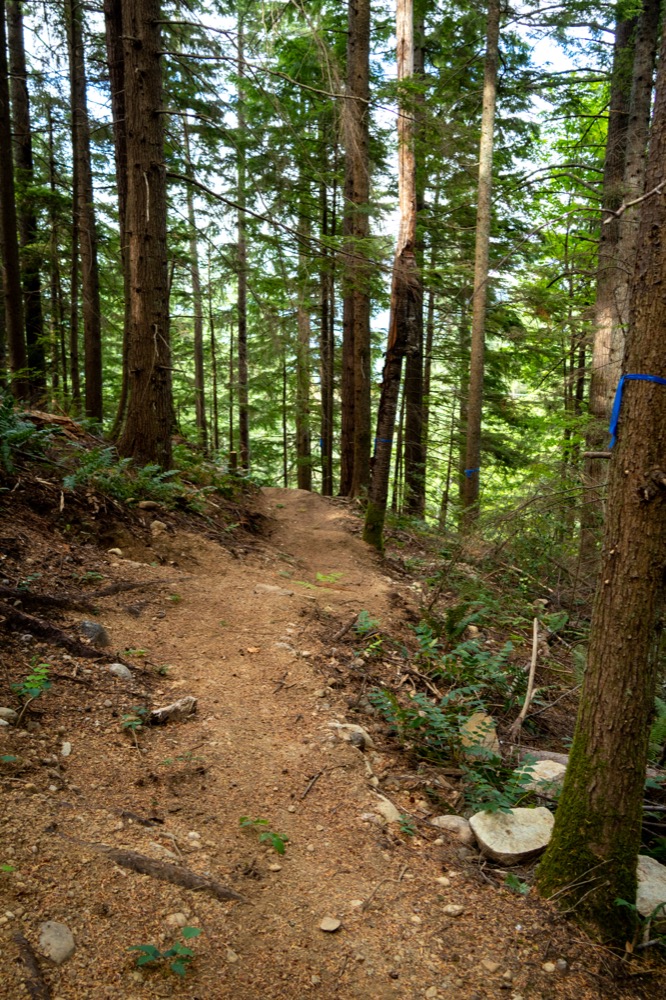
Trail Building from Concept to MTB Trail: A Roadmap for Community Trail Projects
What is the process to making a trail vision a reality? Chris Clark, our Trails Program Manager (Western WA) is here to break it down:
Bringing a new trail to life is a marathon, not a sprint. While grassroots enthusiasm is the essential spark, transforming a raw idea into a sanctioned, rideable trail requires significant patience and sustained engagement with both the local community and land managers. Successful projects shift the dynamic from asking "can you build this for us?" to presenting a well-organized, self-starting coalition. For neighborhoods ready to put in the collaborative work, this is the roadmap from initial concept to breaking ground:
1. Build Local Consensus (The "Friends of..." Step)
Before approaching mountain bike organizations or parks departments, pitch the concept to the existing local park stewardship group if there is one (e.g., "Friends of Hamlin Park"). Securing their backing proves the trail is a broad community asset rather than a niche request, gets in front of potential user conflicts, and leverages their existing relationship with the land manager. One of the biggest challenges for any land manager is getting caught between two or three user groups. The more folks you can get to buy into the plan, the greater the chance of success.
2. Pitch the Local Evergreen Chapter
Present the coalition-backed concept to Evergreen's local chapter leadership. With neighborhood support already secured, the chapter evaluates the idea against regional priorities, existing resources, and overall feasibility.
3. Determine the Project Track
The chapter evaluates the project's maturity, or stage of development, to choose the best path forward. For early-stage concepts, they would advise the community coalition to begin the conversation directly with the land manager to gauge basic feasibility. If the project already has significant funding, demonstrated volunteer momentum, and the "Friends of" group's blessing, the chapter moves it it to our professional staff.
4. Engage Professional Staff
When activated, our professional trail staff step in to provide technical expertise. They transform the community's raw idea into an actionable proposal by outlining a management plan, phasing, environmental constraints, budget estimates, and sustainable trail design that can be used to solicit additional funding and satisfy the planning requirements of the land manager.
5. Establish a Formal Agreement (MOU or Contract)
With the land manager on board and the technical scope defined, the trail organization and the land manager can execute a Memorandum of Understanding (MOU) or formal contract. This legally locks in funding sources, liability distribution, volunteer labor allocations, and long-term maintenance responsibilities. This is the official "hand shake" that begins the ground breaking and part of the project where folks roll up their sleeves!
6. Mobilize and Build
With permissions and legal frameworks in place, dirt work begins. Professional builders manage heavy machinery and complex technical sections, while the local chapter and the extended volunteer base handle hand-finishing, clearing, and ongoing community stewardship.