
Why the 2001 Roadless Rule is "Wilderness for Bikes” and Why We Must Protect It
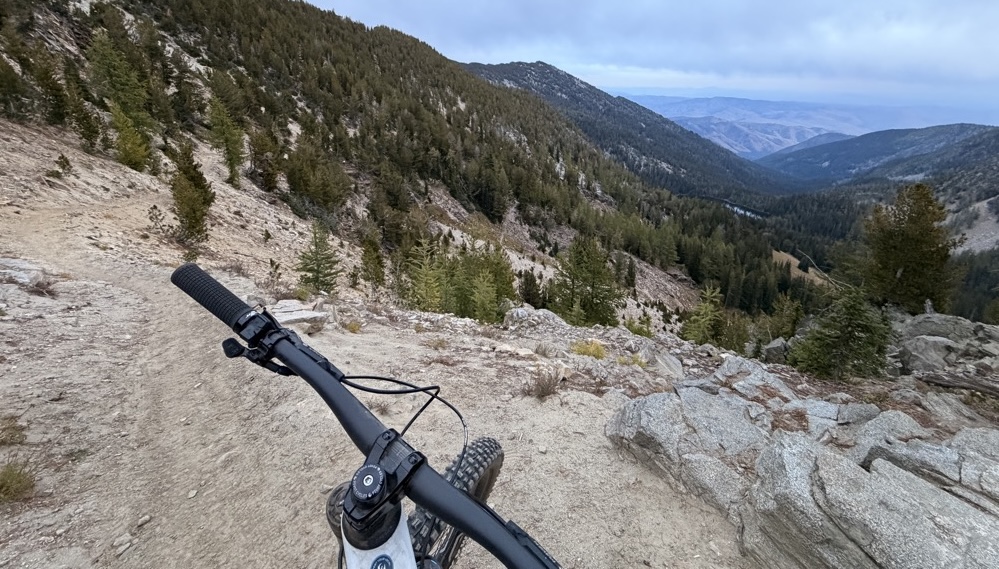
As mountain bikers, we cherish the escape of a long, rugged day in the backcountry. We seek out the high-alpine ridges, the deep forests, and the challenging singletrack that can only be found far from civilization. In Washington State, many of our most iconic backcountry trails are protected because of a single, powerful conservation tool: the 2001 Roadless Area Conservation Rule.
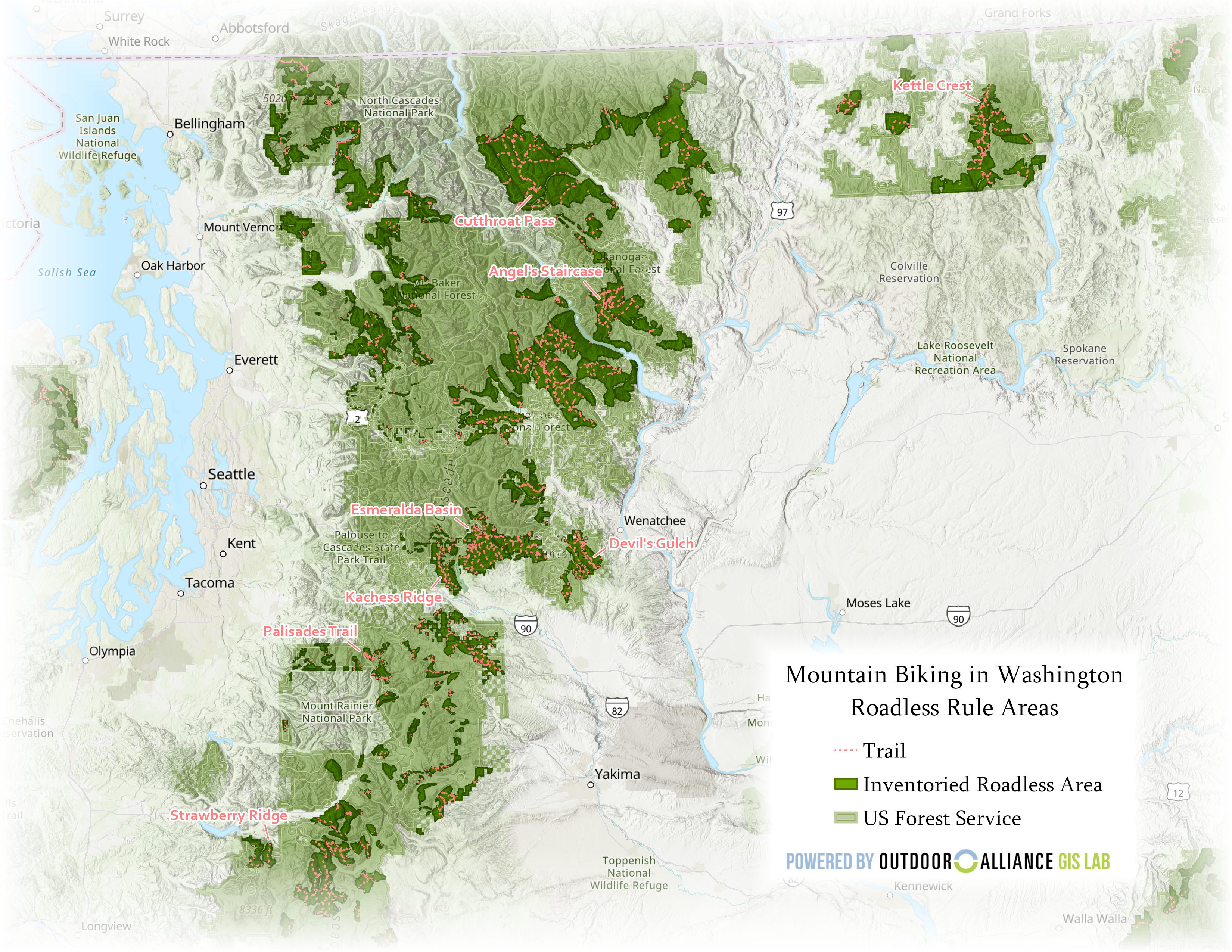
What is the Roadless Rule, and why is it important for the mountain biking community?
The Roadless Rule is a landmark federal regulation that protects over 45 million acres of national forests and grasslands across the country—including nearly 2 million acres in Washington. It places strict limits on road construction, logging, and mining within designated "Inventoried Roadless Areas" (IRAs), ensuring these wild landscapes remain undeveloped.
What the Rule is NOT:
- It is NOT a closure of public lands: These areas remain fully accessible for hiking, camping, hunting, fishing, mountain biking and other recreation.
- It is NOT a wilderness designation: Mountain bikes are banned from designated Wilderness Areas. The Roadless Rule, however, allows non-motorized recreation, including mountain biking. Contrary to what the name implies, it is not even a ban on roads or existing motorized use within these areas, it just limits future development.
- It is NOT a ban on forest management: The rule does not compromise wildfire safety. It includes clear exemptions that allow for strategic fuels reduction, prescribed burns, and active forest management to restore ecological health.
Why Mountain Bikers Should Care
For the riding community, the Roadless Rule is effectively our version of "wilderness." Because Wilderness Areas exclude bikes, Roadless Areas are the primary landscapes where riders can experience true, remote, long-distance backcountry singletrack.
If the Roadless Rule were to be weakened or rescinded some of the most iconic backcountry trails in Washington could be threatened—including Kettle Crest, Cutthroat Pass, Angel's Staircase, Devil's Gulch, Kachess Ridge, the Palisades, Juniper Ridge, and Esmeralda Basin.
Risk of Irreversible Damage: While losing the rule wouldn't instantly bulldoze trails, it would open these currently protected landscapes to future timber sales and road building. Once roads are built, and the development that follows, the backcountry character may be lost forever.
Protecting the Backcountry and Our Local Economies
Backcountry riding is not just good for the soul; it is good for Washington. These world-class trail networks draw riders from around the globe, supporting local businesses in gateway communities like Leavenworth, Cle Elum, Winthrop, and Republic.
Furthermore, maintaining roadless areas is fiscally responsible. The U.S. Forest Service already faces a massive deferred maintenance backlog on its existing 370,000 miles of roads. Building new roads in remote backcountry is an inefficient use of taxpayer dollars that creates long-term liabilities while increasing wildfire risks associated with human access.
The Roadless Rule keeps our wild places wild and our backcountry trails rideable. We stand firmly behind retaining these protections.
How you can help: Submit your comments now through our partners at Outdoor Alliance
Comments are due by the end of the day on October 6th.
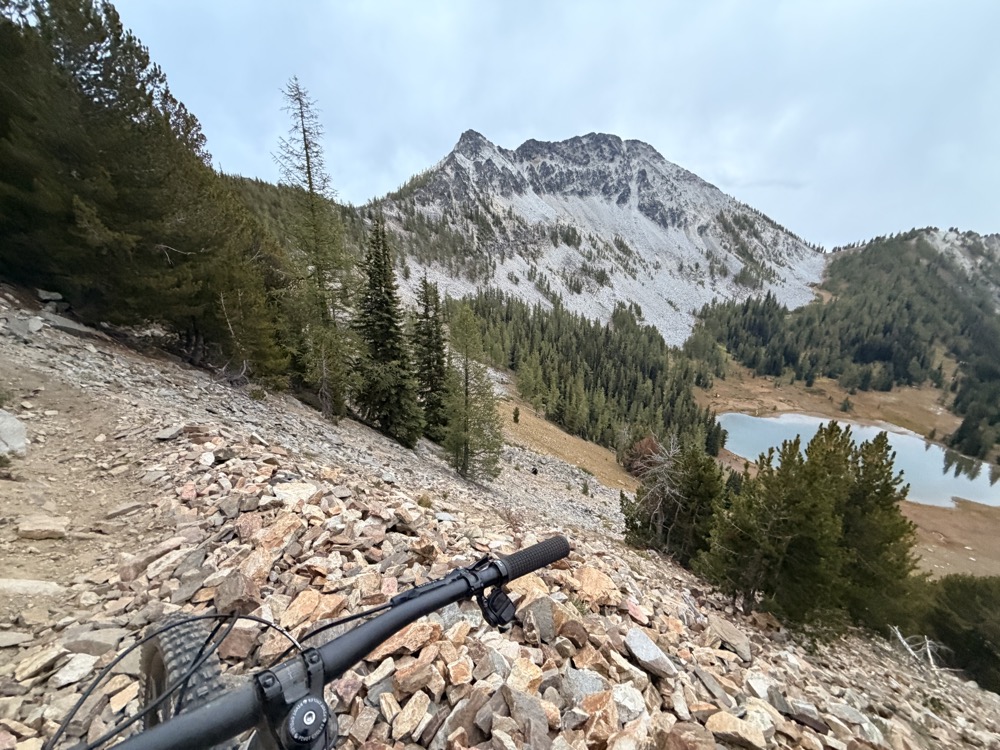
Angels Staircase