What Is "Brushing"? Trail Maintenance 101
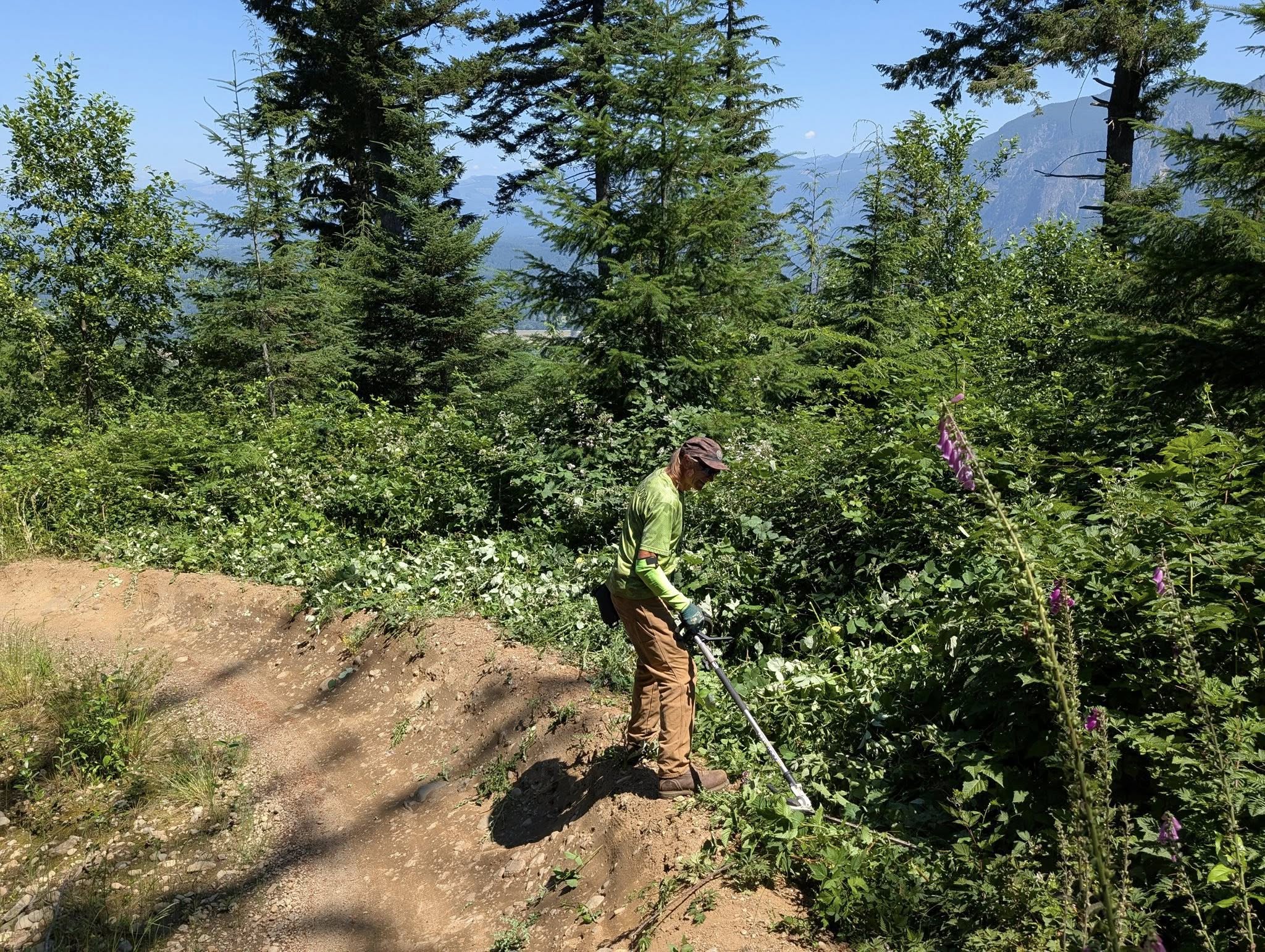
It's mid-summer, and you know what that means... brushing season! One of the simplest, most essential parts of trail maintenance. Love it or hate it, it's gotta get done - and we couldn't do it without our incredible volunteers!
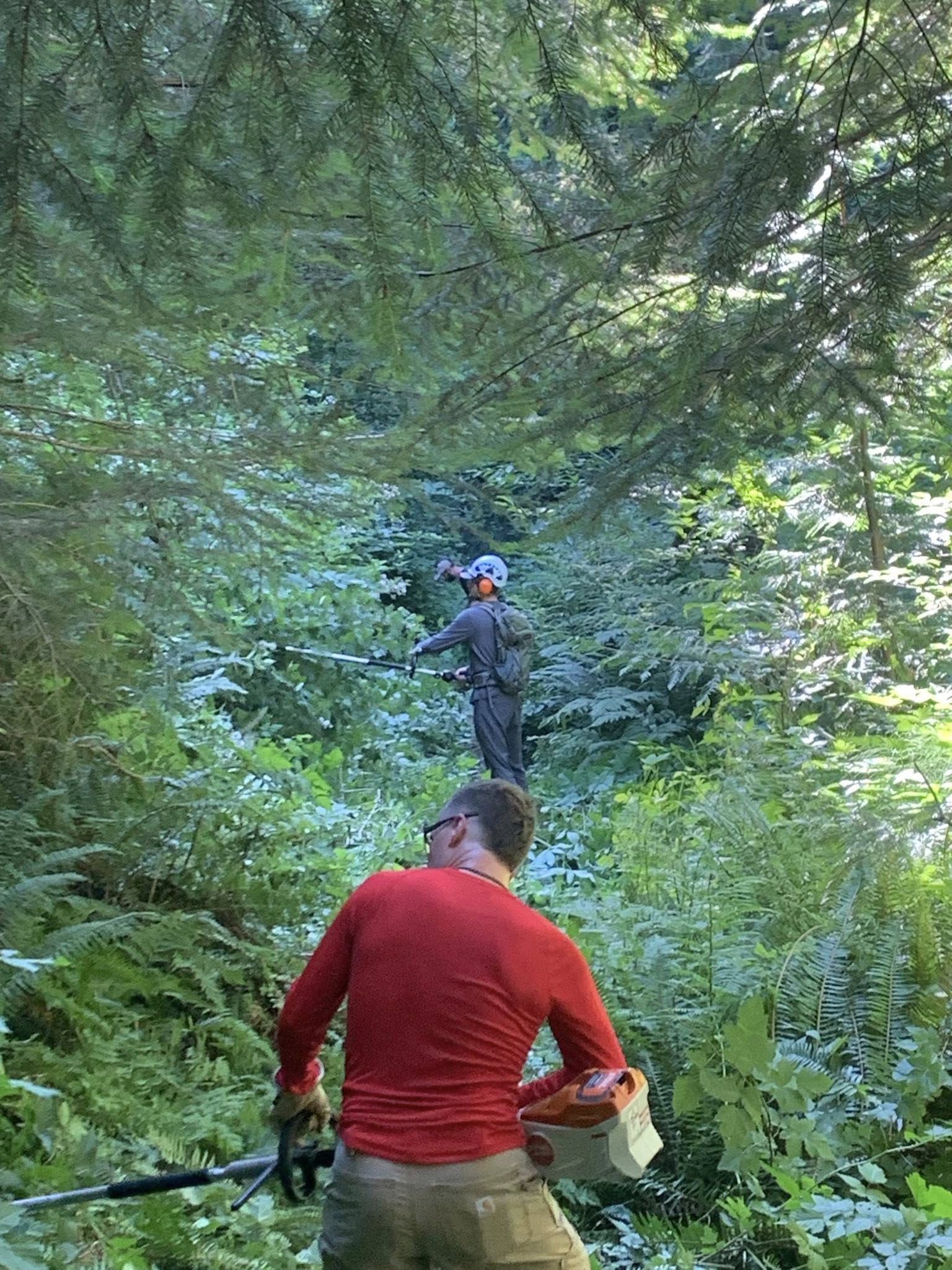 So what exactly is brushing?
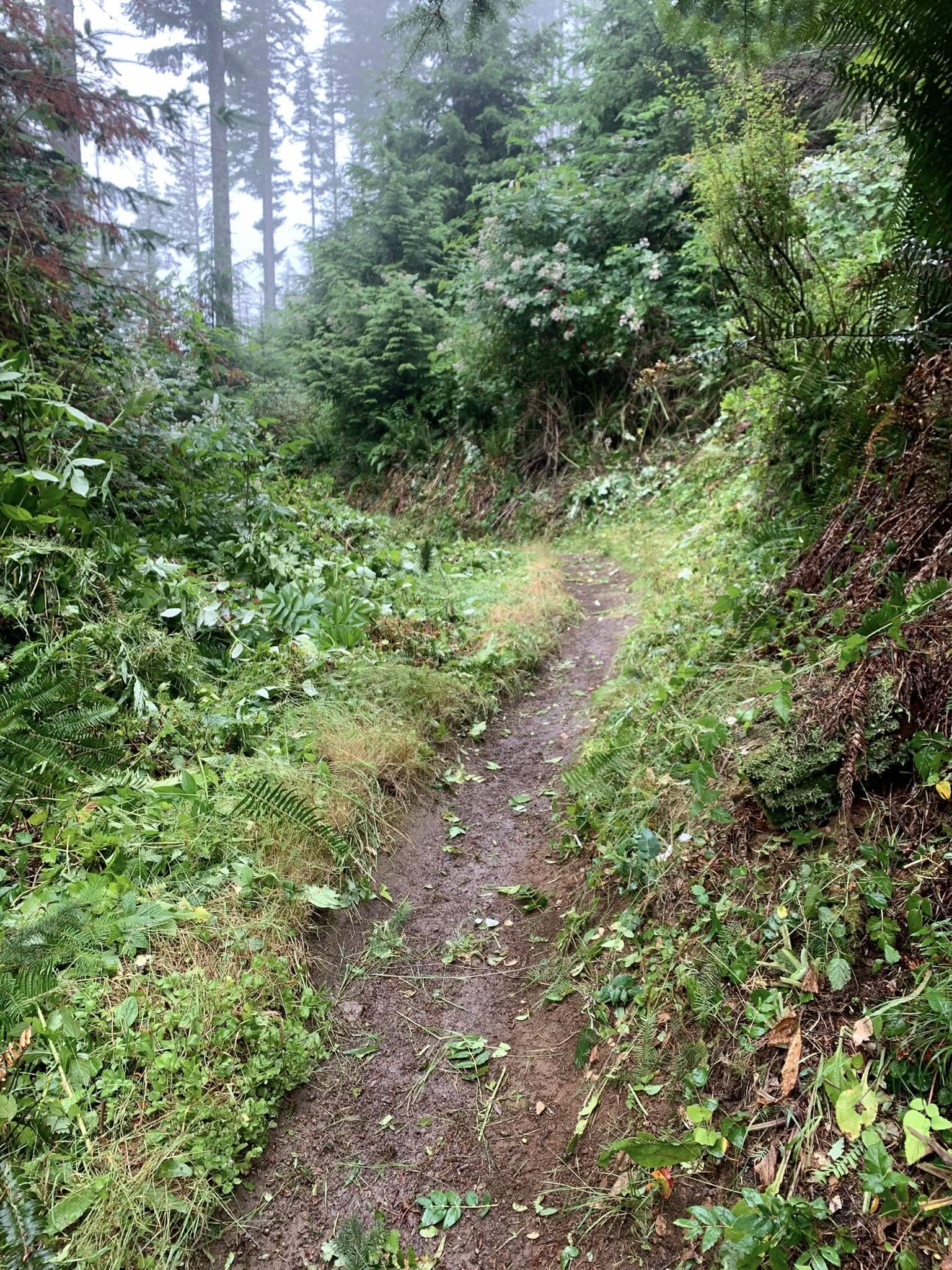
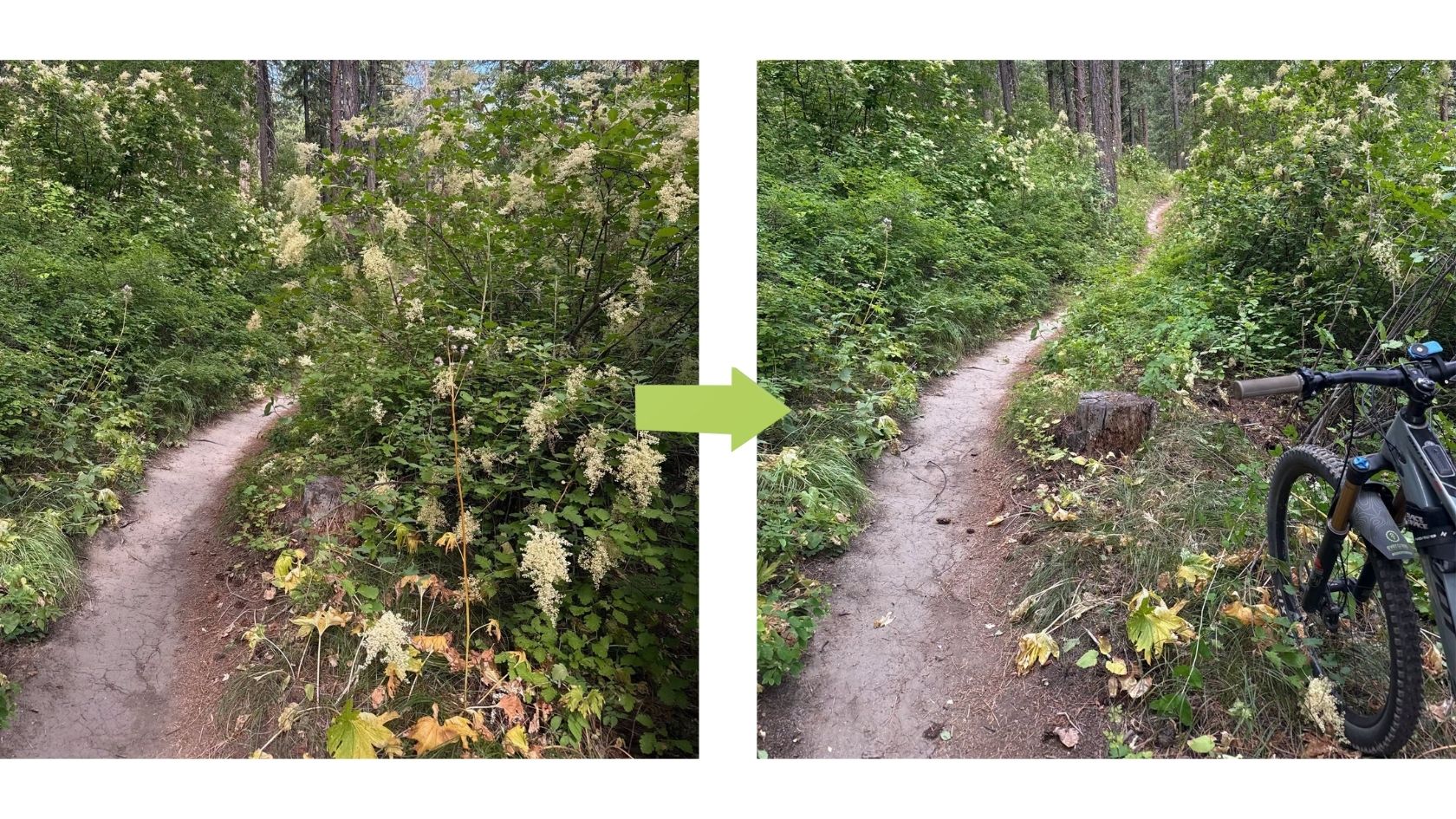
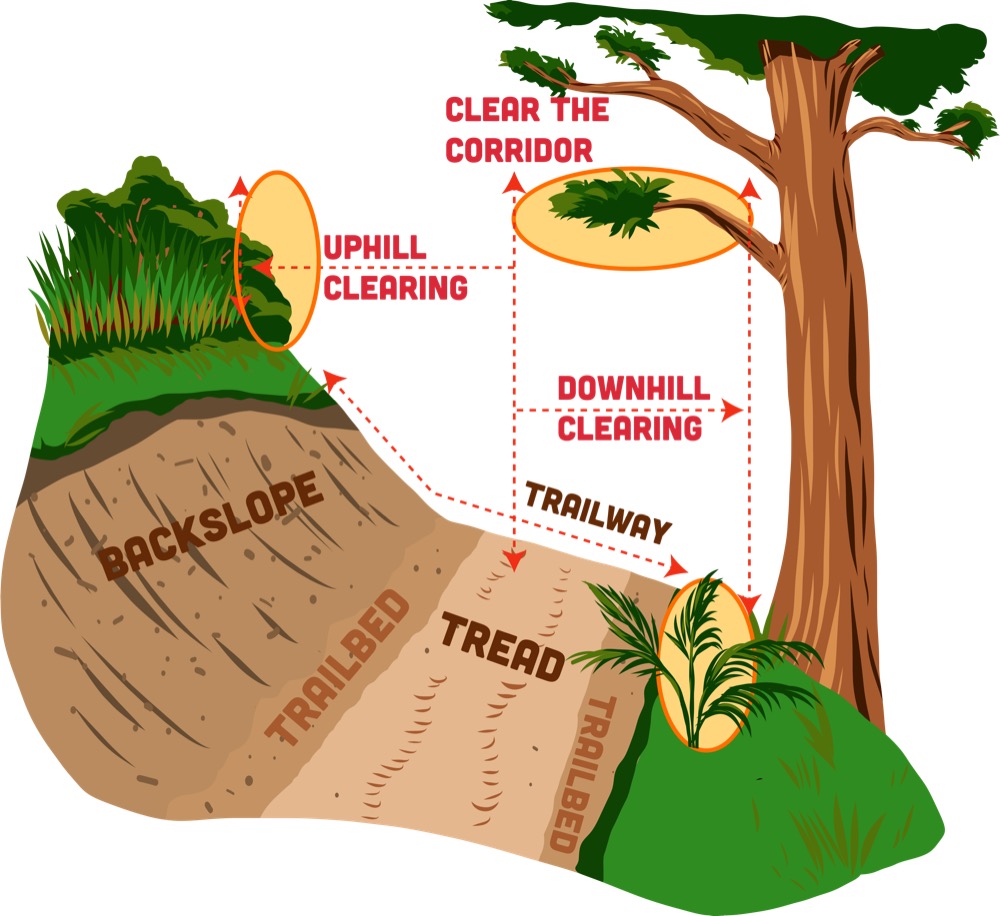
Brushing in the trail maintenance world involves cutting back excess vegetation from the trail corridor: overhanging branches, encroaching shrubs, and fast-growing blackberry bushes. Left alone, plants don't respect trail boundaries. Within a season, a wide, welcoming trail can narrow into a tunnel of branches, or disappear into the brush entirely.
Why does it matter?
Visibility and safety. A brushed trail improves your sightline. It lets you see the tread ahead, spot other trail users coming around a corner, and notice roots, rocks, or other features you're approaching.
Trail width and flow. Overgrown branches snag handlebars and scratch legs, and that's just no fun.
Reduce buildup of debris. Brushing allows more sunlight and airflow to reach the trail while reducing the buildup of leaves, needles, and other organic debris. Excess vegetation and debris can hold moisture against the tread, leaving it soft, muddy, or slick instead of allowing it to dry into the preferred firm surface.
Some tips from our Sr. Trail Programs and Stewardship Manager Brandon Good:
"Simple rule of thumb for pruning: if a branch is smaller than your thumb, use loppers; if it's larger than your thumb, use a hand saw. Never force loppers through a branch that's too large for the tool — this keeps your tools working properly and safe. Speaking of safety, always wear gloves and eye protection!
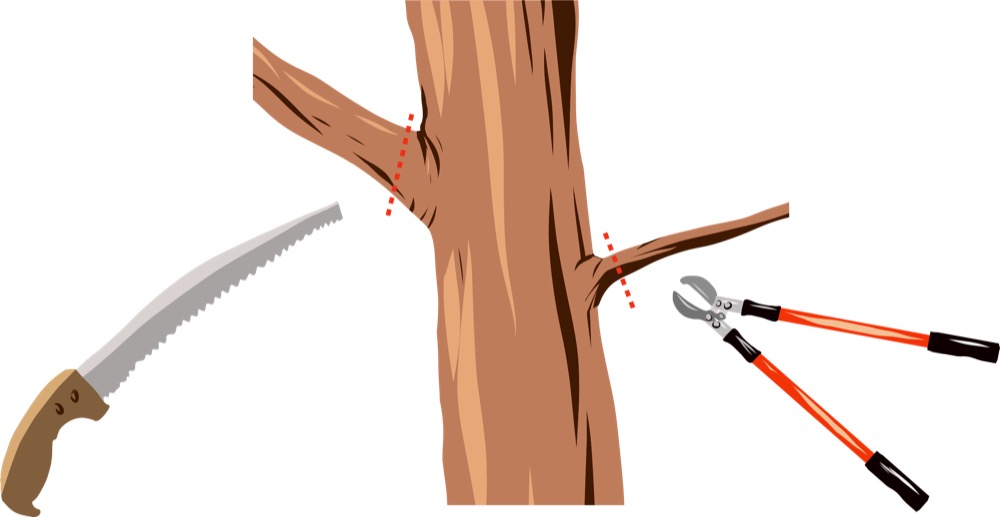
Second rule of thumb: when removing a limb from a tree, cut close to the trunk (thumb's width), but not flush against it. Aim just outside the collar of the limb — the slightly raised or swollen area where the branch meets the trunk. Cutting too close can damage the tree's ability to heal, while leaving a long stub can slow healing and create a pointy hazard for trail users."
A great way to give back
Brushing doesn't require heavy machinery or any prior trail-building experience. You can do it on your own time, and every little bit helps. It's usually just loppers, weed whackers, brushcutters or a hand saw. It's one of the most accessible ways to get involved with trail work, and the results are immediately visible. And very satisfying to see on your next ride!